The upcoming ISO 9001:2026 update is set to redefine how organizations approach quality management in a rapidly evolving world. With increasing reliance on digital systems, growing environmental concerns, and more complex global operations, the new version is designed to reflect how businesses actually function today.
Rather than being just another revision, ISO 9001:2026 introduces a smarter and more adaptive framework. It helps organizations strengthen their processes, improve efficiency, and stay competitive in an unpredictable market.
For businesses expanding internationally, including those in Singapore, this update is not something to overlook—it’s a chance to upgrade your Quality Management System (QMS) for the future.
A Shift from Traditional Quality to Future-Ready Systems
Earlier versions of ISO 9001 focused heavily on documentation, process control, and consistency. While these elements remain important, they are no longer enough on their own.
The 2026 update takes a broader view by considering external factors such as climate risks, digital transformation, and supply chain dependencies. It encourages organizations to think beyond internal operations and align their systems with real-world challenges.
This shift makes quality management more dynamic, ensuring that businesses are prepared not just for today, but for what lies ahead.
What’s Really Changing in ISO 9001:2026?
Environmental Factors Now Influence Quality Decisions
Organizations are now expected to take a more proactive approach in evaluating how environmental and climate-related factors can impact their operations. This includes identifying risks such as resource scarcity, regulatory changes, and environmental disruptions that may affect product or service quality.
By integrating these considerations into planning, risk assessment, and continuous improvement processes, businesses can align sustainability with their quality objectives. This ensures that environmental responsibility becomes part of daily operations rather than a separate or reactive initiative.
Technology Takes Centre Stage
The growing dependence on automation, artificial intelligence, and digital tools has reshaped how organizations manage quality. ISO 9001:2026 emphasizes the need for proper governance of these technologies to ensure consistent and reliable outputs.
Businesses must establish controls that validate system accuracy, protect sensitive data, and ensure transparency in digital processes. Additionally, organizations are expected to invest in upskilling employees so they can effectively manage and utilize these technologies in a quality-driven environment.
Important areas include:
• Monitoring automated processes for accuracy and consistency
• Protecting and validating data across all systems
• Maintaining clear and structured digital documentation
• Building employee capability in using advanced technologies
Supply Networks under Greater Scrutiny
Supply chains have become more complex and interconnected, making them a critical factor in maintaining quality standards. ISO 9001:2026 requires organizations to take a more strategic approach in managing suppliers and external providers.
This includes evaluating supplier performance, identifying potential risks, and ensuring that alternative sourcing strategies are in place. By strengthening supplier relationships and improving communication, organizations can reduce disruptions and maintain consistent quality across all operations.
Knowledge Becomes a Critical Resource
Organizational knowledge is now recognized as a key driver of efficiency and consistency. ISO 9001:2026 encourages businesses to treat knowledge as a valuable asset that must be actively managed and protected.
Companies should implement systems to capture critical information, document best practices, and facilitate knowledge sharing across teams. This ensures continuity in operations, reduces reliance on individual expertise, and supports long-term organizational growth.
People and Culture Drive Quality Success
The success of a quality management system depends heavily on the people behind it. ISO 9001:2026 places strong emphasis on employee engagement, awareness, and accountability in achieving quality objectives.
Organizations are encouraged to foster a culture where employees understand their roles, take ownership of quality, and actively contribute to improvement initiatives. This people-centric approach leads to better collaboration, increased motivation, and improved overall performance.
Flexibility Replaces Rigid Compliance
One of the key shifts in ISO 9001:2026 is the move away from rigid, prescriptive requirements toward a more flexible, outcome-based approach. Organizations are given the freedom to design processes that align with their specific needs while still meeting the standard’s objectives.
This flexibility allows businesses to innovate, adapt quickly to changes, and implement solutions that are practical and effective. As a result, quality management becomes more dynamic, scalable, and aligned with real-world operations.
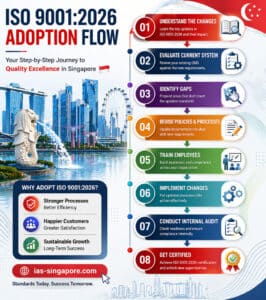
What Should You Do First After the ISO 9001:2026 Release?
One of the most common questions organizations ask is where to begin. The best starting point is understanding how the new requirements differ from your current system.
A structured approach includes:
- Conducting a gap analysis to identify missing elements
- Reviewing risks related to climate and digital systems
- Updating internal policies and procedures
- Planning training sessions for employees and auditors
Taking these initial steps early can significantly reduce the effort required later.
How ISO 9001:2026 Improves Customer Trust and Business Credibility?
Customers today expect more than just consistent products or services—they expect reliability, transparency, and responsibility. ISO 9001:2026 helps organizations meet these expectations by strengthening their internal systems.
With better supplier control, improved data accuracy, and stronger employee involvement, businesses can deliver higher quality outcomes. This directly enhances customer confidence and builds long-term relationships.
Organizations in Singapore and other global markets are already recognizing how these improvements contribute to stronger brand reputation and market positioning.
Getting Started: A Smarter Way to Prepare
Preparing for ISO 9001:2026 doesn’t require starting from scratch. Instead, organizations should focus on enhancing their existing systems to meet new expectations.
A practical approach includes:
- Reviewing current processes and identifying gaps
- Updating documentation where required
- Training teams on new concepts
- Integrating digital and environmental considerations
- Monitoring progress and making improvements
Where Will the Biggest Impact Be Seen?
The changes introduced in ISO 9001:2026 will affect all industries, but the level of impact will vary.
- Manufacturing: Greater emphasis on automation and supplier reliability
- Technology: Stronger focus on data accuracy and system validation
- Construction: Improved coordination and risk management
- Service Industry: Focus on knowledge sharing and employee engagement
Why This Update Matters for Business Growth?
ISO 9001:2026 is not just about meeting requirements—it’s about improving how organizations operate.
Key benefits include:
- Better risk management and fewer disruptions
- Improved supplier performance and reliability
- Increased efficiency through digital integration
- Higher employee engagement and productivity
Stronger customer trust and brand reputation.
Final Takeaway: Don’t Wait for the Change—Lead It
ISO 9001:2026 reflects a new way of thinking about quality—one that integrates technology, sustainability, and people into a single framework.
Organizations that act early will not only achieve compliance but also gain a competitive edge. By embracing the changes now, businesses can build stronger systems, improve performance, and confidently move into the future.